Bridging the Gap Between Machines and Mobile: A User First Approach for OEMs
Insight
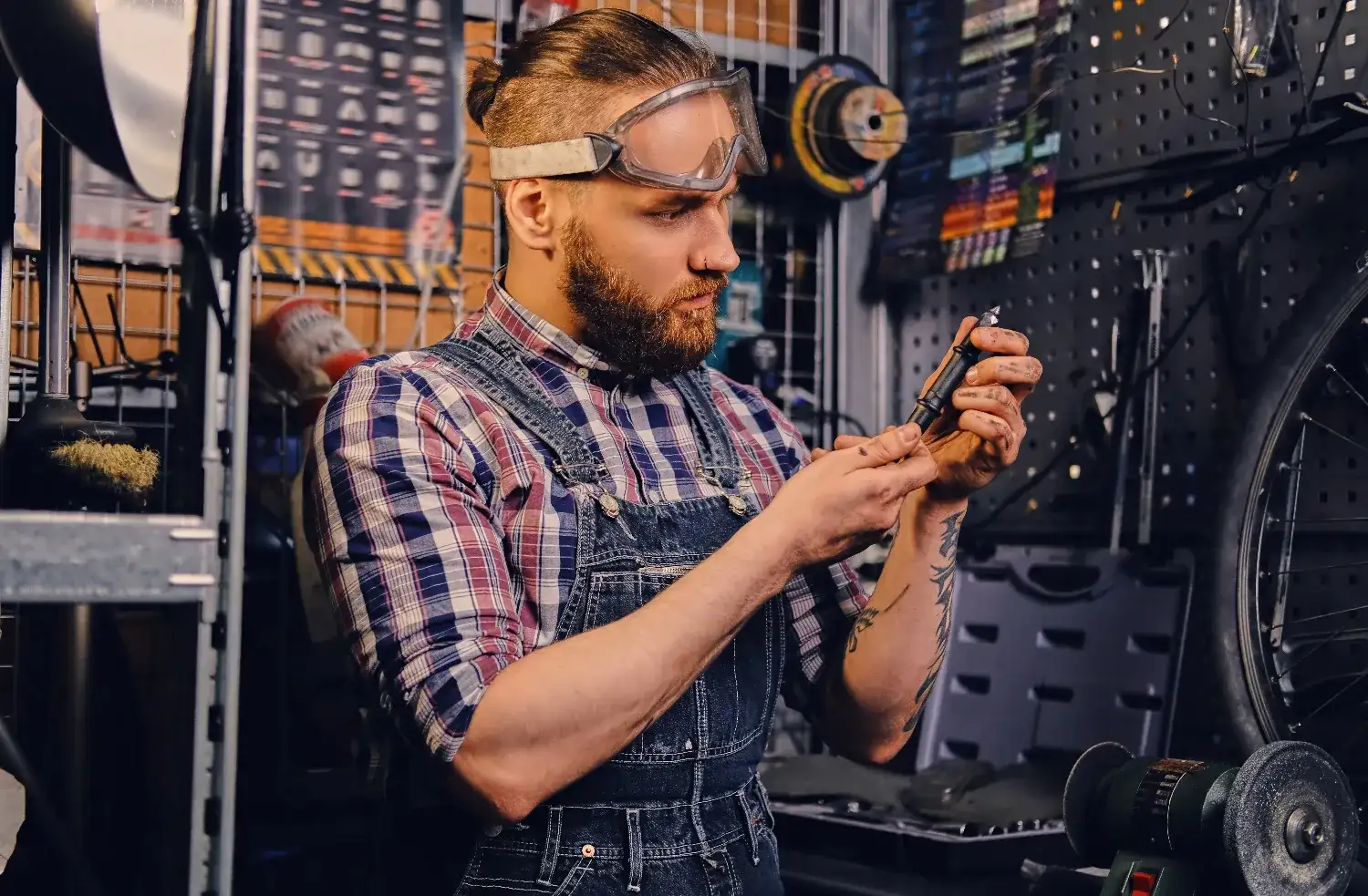
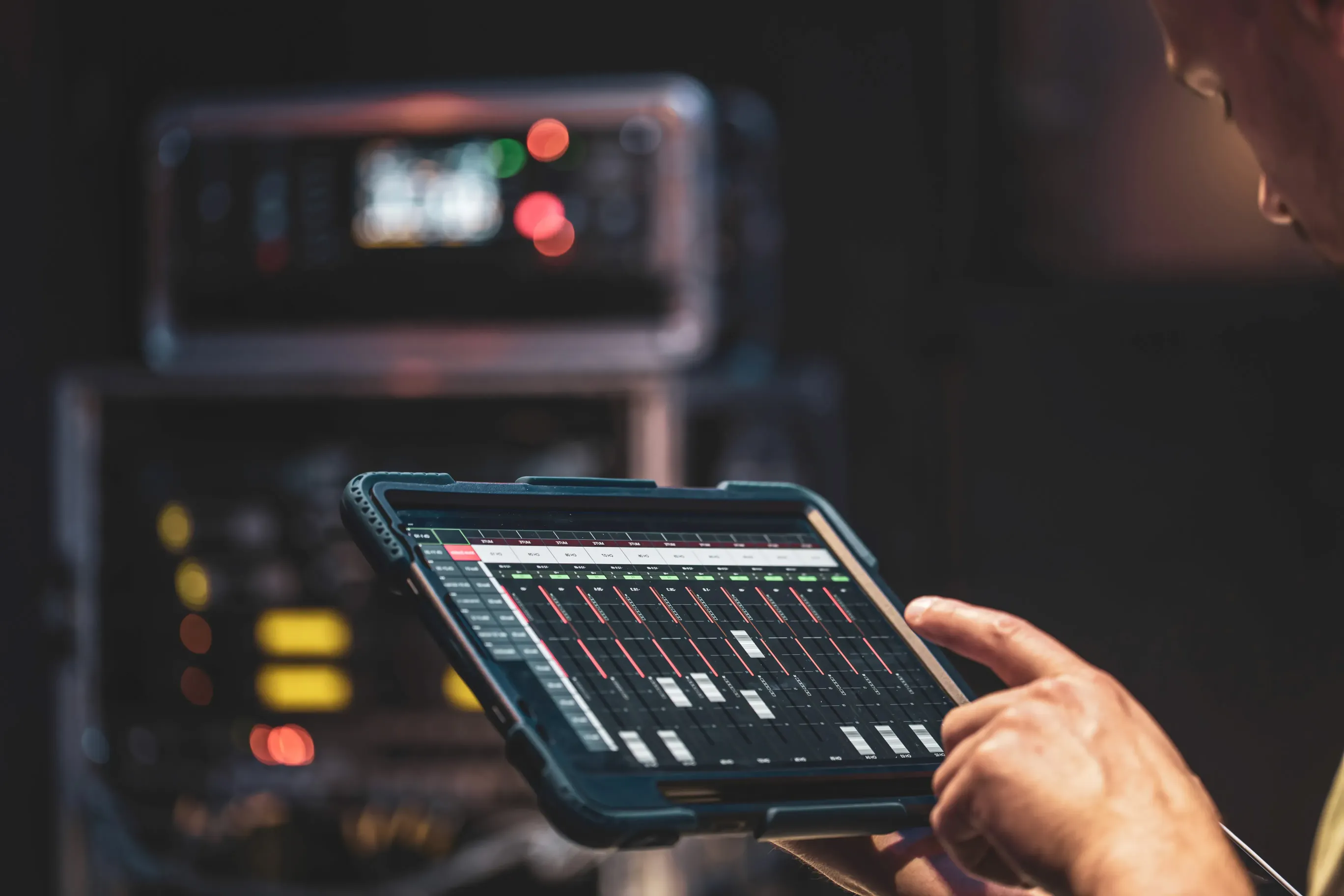
Walk onto any job site, warehouse, or yard and you will see the same thing. Operators are surrounded by machines, but the device they interact with most is the phone in their pocket. It is how they communicate with their team, track tasks, check schedules, and navigate through their day. Yet the equipment they rely on rarely speaks the same language.
As more OEMs bring connected hardware to market, a clear opportunity is emerging. Mobile can become the natural bridge between people and machines, turning complex equipment into something that feels intuitive, accessible, and tightly integrated into daily workflows.
The companies that embrace a user first mobile approach are discovering that the value goes far beyond convenience. It changes customer experience, operator confidence, and even creates new monetization pathways that were not possible before.
Why mobile has become the natural home for equipment interaction
Users already reach for their phones when they need information or quick actions. When equipment can be monitored, controlled, or understood through that same surface, everything feels easier. Alerts arrive where people are paying attention. Key tasks become faster. The learning curve drops closer to zero.
Instead of expecting operators to adopt new behavior, mobile meets them in the patterns they already trust. That shift alone transforms the perception of your product. Hardware feels smarter, more modern, and more responsive.
Designing mobile around real users, not features
A strong mobile experience does not start with a long feature list. It starts with understanding who is actually touching the equipment day to day.
For operators, the app becomes a simple, dependable companion:
A place to unlock equipment with a digital key instead of juggling physical ones.
A quick way to confirm something is ready to use.
A guide that explains what to do when a fault appears.
A daily tool they can understand without training manuals or guesswork.
For managers, mobile creates lightweight oversight without needing a full control room:
A single place to check whether equipment is active, healthy, or overdue for service.
A way to assign operators or revoke access with one tap.
A clean snapshot of what is happening right now.
Instead of trying to mirror a complex desktop portal, mobile becomes a focused, high value surface that solves immediate, in the moment needs.
New business cases open up when the phone becomes the key
Once mobile is woven into the equipment experience, it unlocks workflows that were previously hard to automate or monetize.
Digital keys are one of the clearest examples. Being able to grant and revoke access through an app simplifies life for any customer with rotating staff, contractors, or shared assets. It improves security while removing friction from busy teams. And because mobile keys run through a cloud layer, they naturally create opportunities for tiered access, usage based insights, and premium control features.
Other use cases emerge just as naturally. Mobile becomes the easiest surface for guided diagnostics, subscription upgrades, operator coaching, performance modes, and rental ready workflows. These additions do not feel bolted on. They feel like meaningful extensions of the equipment itself.
Customer experience becomes the real differentiator
In competitive hardware markets, customer experience often outshines raw specs. When your equipment pairs with an app that feels polished, intentional, and helpful, customers remember it. They talk about it. They feel confident adopting more of your product line because the support experience is embedded directly into the tool they already use every day.
And importantly, the more value you deliver through that experience, the easier it becomes to introduce new revenue streams. Not through aggressive upsells, but through well designed moments where customers can activate features that clearly solve a problem or save time.
Monetization works best when it feels like a natural extension of the experience, not a separate business model.
A user first mobile strategy starts small and compounds fast
OEMs do not need a massive app with every possible feature. In fact, the strongest mobile products usually start with the basics done extremely well:
A clean, branded interface
Simple access control
Clear equipment status
Useful alerts
Smooth onboarding for new users
Once these foundations are in place, the app becomes a gateway to everything else. New features can be added over time. Customer feedback can shape the roadmap. Monetization becomes easier because customers are already engaged.
Mobile is not an add on. It is the daily touch point that shapes how users feel about your entire product.
Closing thought
Bridging the gap between machines and mobile is ultimately about creating products that feel aligned with how people work today. It is about reducing friction, giving users confidence, and delivering value in the moments that matter. For OEMs, this is not just a UX opportunity. It is a strategic one. A modern mobile experience deepens customer relationships and opens doors to new services that strengthen the business over time.
The future of intelligent equipment is not just connected. It is user centered. And the most user centered surface we have is already in everyone’s pocket.