Hardware Intelligence: Value Beyond the Machine
Insight

The Idea: What is Hardware Intelligence
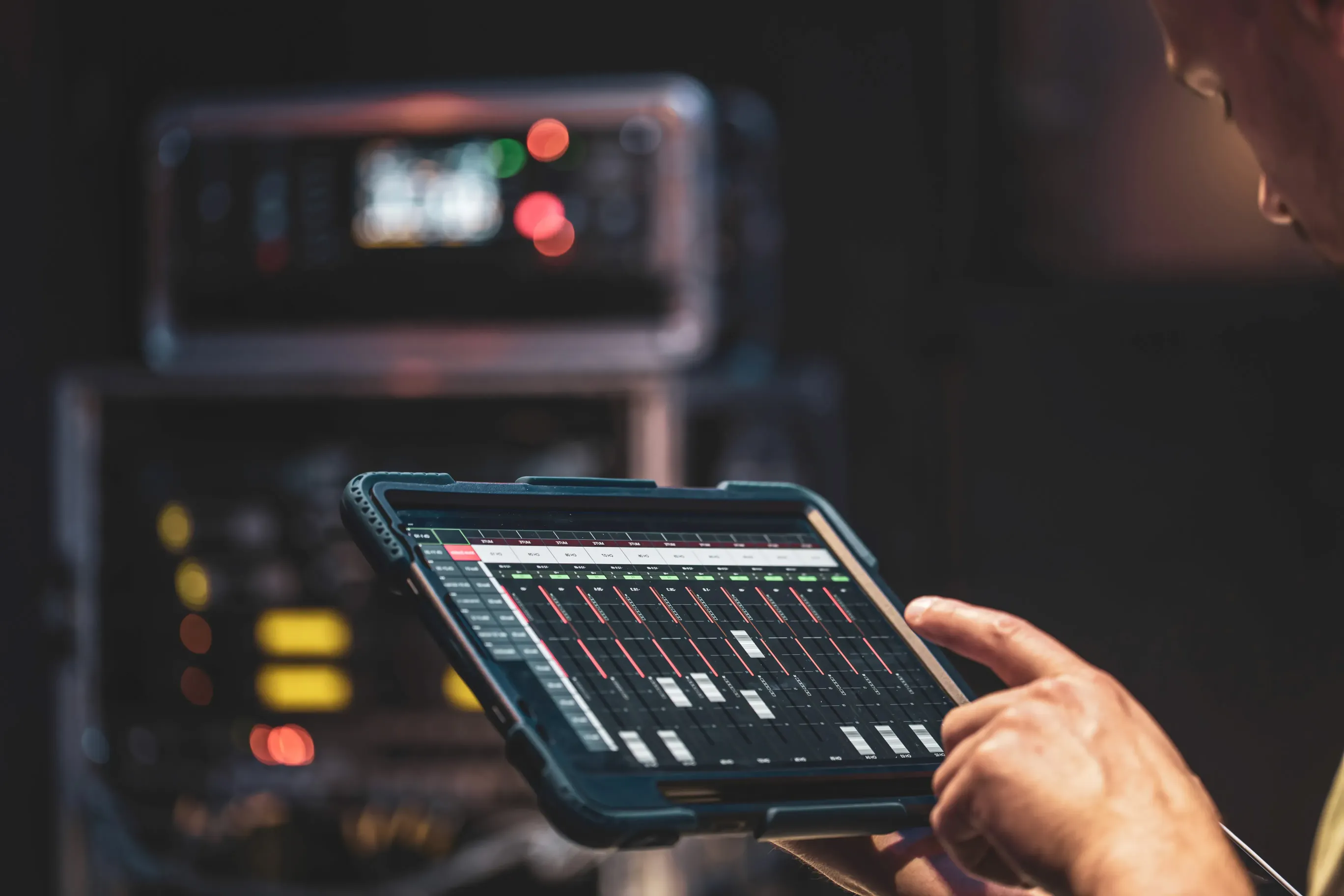
For most of industrial history, the value of a machine came from what it could physically do. A tractor pulled, a pump pushed, a battery stored energy, and better steel, motors and cells meant a better product. That is changing. Today a growing share of the value comes from the digital layer wrapped around the hardware, sensors that let a machine notice what is happening around it, software that helps it decide what to do, and data and apps that let its owner see results and improve over time. This idea is often called hardware intelligence. The machine is still essential, but the experience built around it, and what it learns while it works, is increasingly what sets one product apart from another.
John Deere Example: A Sprayer that Can See
John Deere's See & Spray is one of the clearest examples. In 2017, the company bought Blue River Technology, a Silicon Valley startup focused on computer vision and machine learning, for a reported $305 million. The result is a sprayer that can see. Instead of covering an entire field with weed killer, cameras mounted along the sprayer's boom scan the ground as the machine drives, and onboard computers trained on millions of labeled images tell weeds apart from crops within milliseconds. Only the nozzle above a weed turns on. In the 2025 growing season, farmers used the technology on more than five million acres and, according to John Deere, it reduced their use of the targeted herbicides by nearly half on average, saving close to 31 million gallons of herbicide mix. The digital experience continues after the spraying is done. Each pass produces a map of weed pressure across the field in John Deere's Operations Center software, which farmers can compare with their yield data when planning the next season. The company also charges for See & Spray by the acre it is used on, a sign that the intelligence, not only the sprayer, is something customers are willing to pay for.
System-of-Systems Perspective
This is where the idea of a System-of-systems comes in. The international systems engineering standard on the subject, ISO/IEC/IEEE 21839, describes a system-of-systems as a set of systems that work together to provide a capability that none of them could deliver on their own. A second hallmark is that each member keeps its own purpose and can still be run and managed independently, even while it is part of the larger group. A modern farm fits this picture well. The sprayer, the combine that measures yield at harvest, the cloud software that stores and maps field data, and the farmer who makes the final decisions are each complete systems in their own right. A sprayer can still spray without a map, and a farmer can still plan without software. But when they are connected, an emergent behavior appears, a farm that effectively remembers where the weeds were, how the crop responded, and what to do differently next year. No single machine provides that on its own. Hardware intelligence is the glue that lets independent pieces of equipment share what they know and act as a coordinated whole.
Where Aerovy Fits
This is where we come in at Aerovy. Born out of Purdue University, we build software that helps equipment makers turn the data their machines already produce into something useful for them and their customers. Our platform sits on top of a manufacturer's connected equipment and brings machine data together with the business, dealer and service systems around it. From there, our configurable AI agents can spot a problem before it causes a breakdown, work out what is likely wrong, find and reserve the right part, and book the right technician, with the goal of cutting downtime from weeks to hours. Club Car, known for its golf carts and utility vehicles, uses our platform to power the connected infrastructure behind its vehicle program, from telemetry to service workflows, across more than 50,000 connected vehicles. In energy, we have partnered with battery company Inventus Power to connect batteries in electric vehicle fleets, including electric scooter retrofit kits in Indonesia, giving operators live monitoring along with predictive analytics that forecast performance, improve charging and extend battery life.

The Question Worth Asking
For companies that build physical products, this changes the questions worth asking. It is no longer enough to ask how strong, fast or efficient a machine is. We also need to ask what the machine can sense, what it shares, who it shares it with, and how it gets better over time. The same thinking applies well beyond agriculture. In energy, for example, batteries, chargers and swapping stations constantly generate information about battery health, usage patterns and demand on the grid. On their own, each piece of hardware simply does its job. Connected through the right software, they can help operators spot problems early, place equipment where it is needed most, and keep costs under control. Getting there is not automatic, since connected systems depend on reliable data, shared standards and careful design, and improving one part does not always improve the whole. Still, the lesson from the farm field is clear: the machine is only half the story, and the intelligence around it is where much of the new value is being created.