Blog
Many of the most successful companies in consumer technology share a common pattern. They start with a compelling piece of hardware, then expand outward into an interconnected ecosystem that delivers far more value than the physical product alone. This shift creates deeper customer relationships, new revenue streams, and long term differentiation that is hard to copy.
While industrial and mobility OEMs operate in very different markets, the underlying principles still apply. Customers increasingly expect connected experiences, seamless workflows, and digital services that enhance the equipment they rely on. By studying how leaders in consumer tech evolved from hardware to ecosystem, OEMs can take meaningful steps to strengthen their own product strategy.
Below are three examples with valuable takeaways for any OEM exploring what comes next.
Apple: The ecosystem around iCloud
Apple has long set the standard for combining hardware, software, and services. iPhones and Macs create the initial relationship, but iCloud is what makes the ecosystem feel complete.
Customers get benefits like:
Seamless syncing across devices
Backups and restore without friction
Shared content and services across family members
A single identity for apps, payments, and settings
Individually, each feature is small. Together, they form a layer of convenience that becomes difficult to live without. Once customers rely on iCloud, the value of every Apple device increases. The hardware and software reinforce each other.
Why this matters for OEMs
iCloud demonstrates how a single cloud layer can strengthen the entire product experience:
A hub for data and configuration
A foundation for new software features
A reason for customers to stay inside your product ecosystem
The lesson is simple. When hardware is paired with a cloud service that removes friction and adds daily value, customer loyalty grows.
Tesla: Mobility becomes a software driven experience
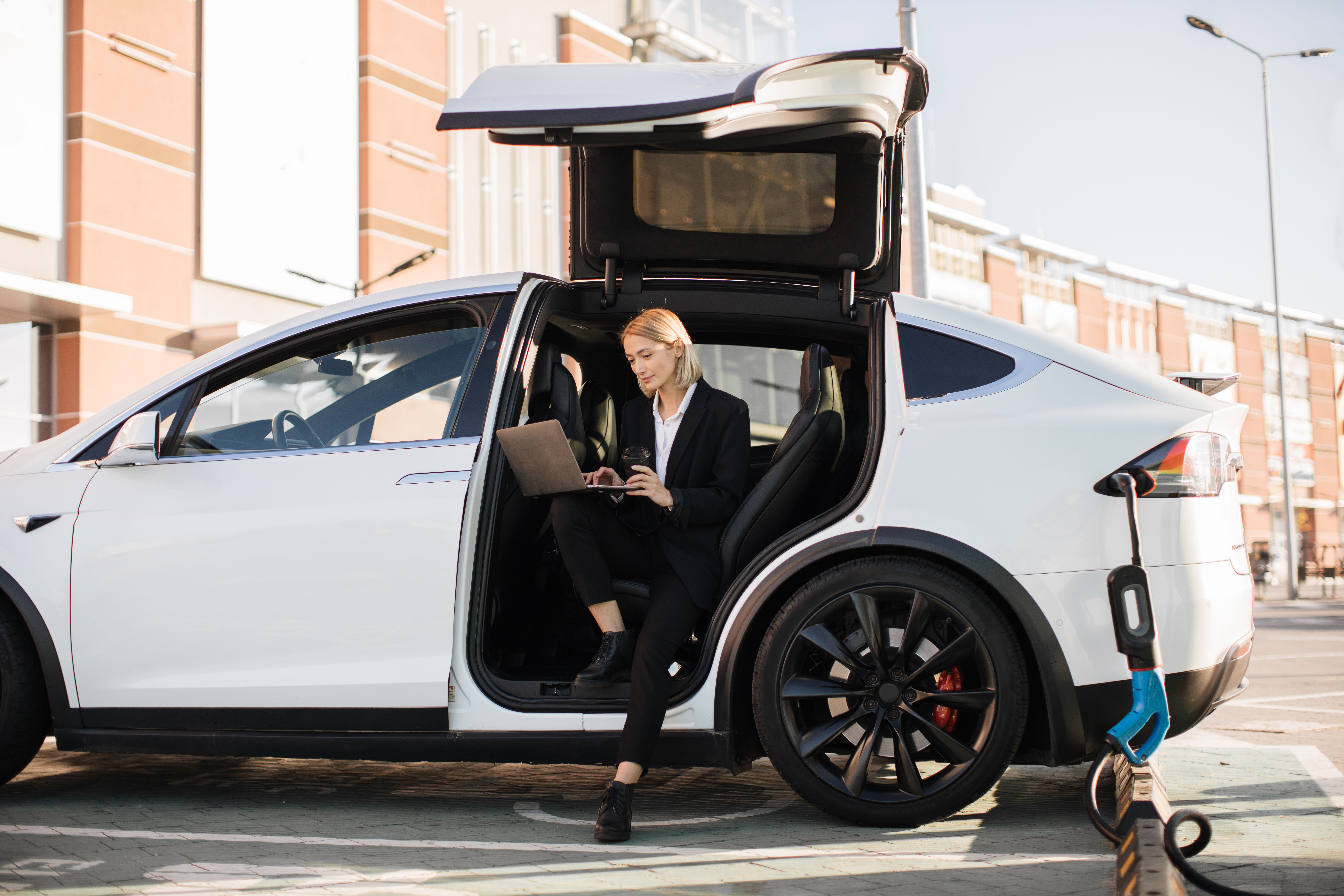
Tesla redefined what a vehicle can be by treating software as a first class part of the product. The Tesla app is not an add on. It is a central piece of the ownership experience.
Customers can:
Track, lock, and precondition the vehicle
View charging availability and rates
Access service, diagnostics, and upgrades
Receive alerts and updates in real time
But Tesla did more than convenience. They used the app as a platform for new revenue:
Paid software upgrades
Performance boosts
Connectivity packages
Insurance personalized through vehicle data
The combination of vehicle plus app created an ecosystem that continues delivering value long after the purchase.
Why this matters for OEMs
Tesla shows what becomes possible when hardware and mobile software work hand in hand:
A modern customer interface that strengthens brand perception
Continuous updates that improve the product over time
New commercial opportunities enabled by data and connectivity
This is not about becoming a car company. It is about recognizing the power of pairing equipment with a digital layer that evolves constantly.
United Airlines: Frictionless end to end experience
In the emerging advanced air mobility space, United is shaping a vision built around convenience and trust. Their future ecosystem is not just about aircraft. It is about the experience from booking to arrival.
Key ideas include:
Predictable, easy booking integrated with existing travel apps
Tight coordination between ground and air transport
Real time updates and visibility
A sense of effortlessness that reduces the cognitive load on the traveler
Much of this value is subtle. You may not know you needed seamless multimodal integration, instant notifications, or automated routing. But once you have it, the thought of going back to a disconnected experience feels frustrating.
Why this matters for OEMs
United highlights a powerful idea:
When a product eliminates friction across the journey, the experience becomes sticky. Customers develop an expectation that everything should work together.
For OEMs, the takeaway is:
Value often comes from the workflow surrounding the hardware
Small improvements accumulate into a major differentiator
An integrated experience becomes very difficult for competitors to replace
The common thread: Hardware creates the entry point, ecosystems create the long term value
Across all three examples, the pattern is consistent:
The hardware is excellent, but the ecosystem is what keeps customers loyal
Cloud and mobile experiences extend the usefulness of the product
Ongoing updates keep the product relevant without requiring new hardware
Additional services create recurring revenue and deeper engagement
Consumer tech shows that ecosystems are not a luxury. They are a multiplier on the hardware you already build.
What OEMs can apply today
You do not need to replicate Apple or Tesla to benefit from these lessons. OEMs can start simply by strengthening the digital layer around their products.
Here are steps many teams take first:
1. Introduce a white labeled app or portal
This brings your brand into the daily workflow and gives customers a modern interface for monitoring and control.
2. Centralize data in a cloud layer
Create a single source of truth for status, performance, and analysis.
3. Identify small, high value workflows to improve
Alerts, maintenance visibility, remote diagnostics, simple automation.
4. Think about the journey, not just the device
Map the full operational lifecycle and find friction points.
5. Plan for future services that could layer on top
Subscription analytics, premium features, optimized performance modes, OTA updates.
These steps compound over time. As more of the workflow becomes digital, the experience naturally evolves into a connected ecosystem.
Closing thought
Hardware will always be the foundation of an OEM’s value. But the ecosystem around that hardware is what customers remember, rely on, and return for. Consumer tech companies have shown how powerful this model can be. The opportunity for OEMs is to translate those lessons into practical, industry ready steps that elevate the entire product line.
With the right digital layer, a great product becomes a complete experience and a long term relationship.